CEDS, EHDS, and a Healthy Dose of Scepticism
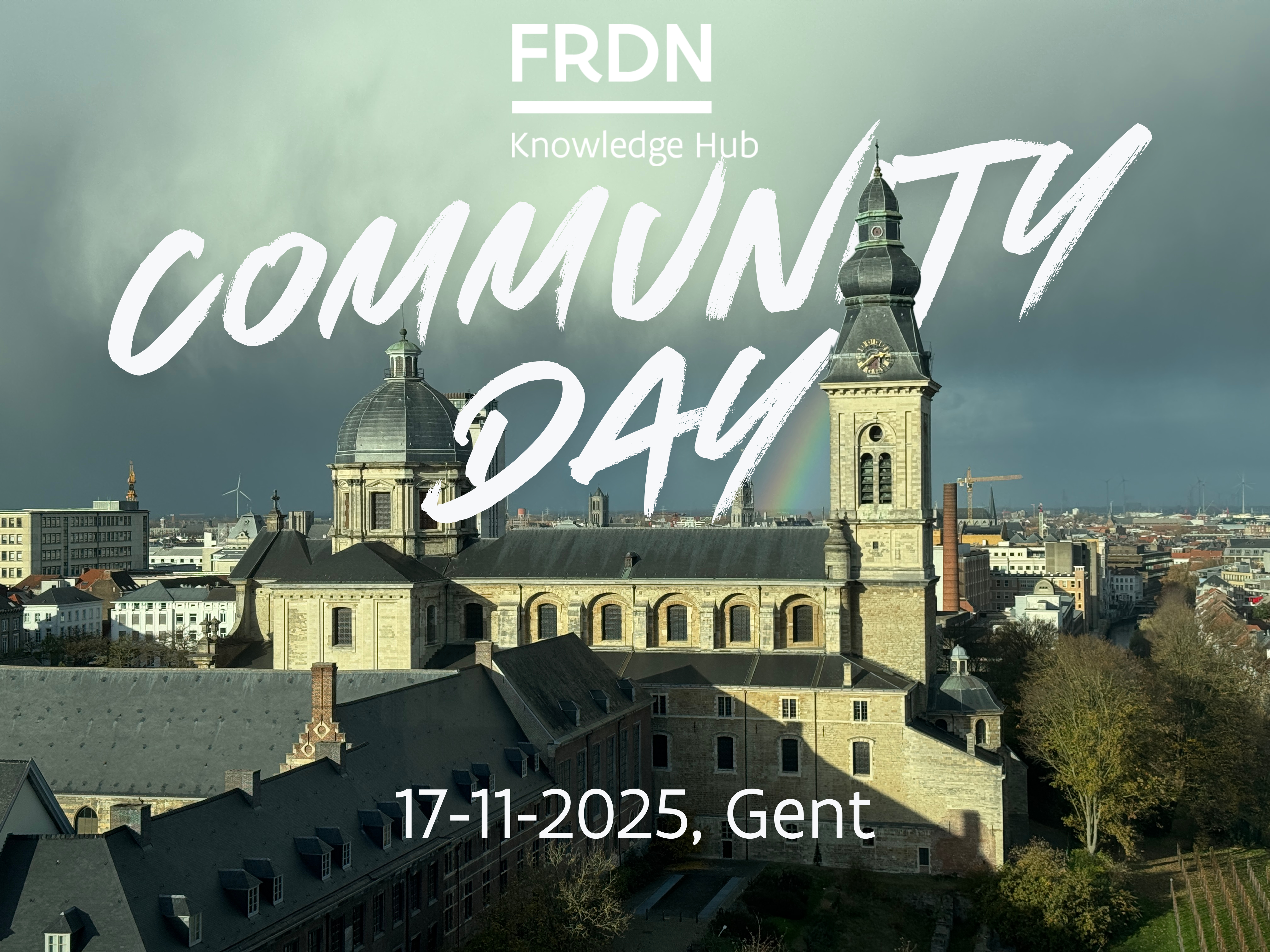
On Monday, 17 November 2025, the FRDN Knowledge Hub gathered at Arteveldehogeschool for a lively Community Day focused on the European Health Data Space, with an introduction to Common European Data Spaces more broadly. In the afternoon, we showcased our educational game currently in development. Read on for the full recap of our day!

On Monday, 17 November 2025, members of the FRDN Knowledge Hub (KH) community gathered for the first Community Day of the academic year. This was already the 13th such event since the KH’s inception in 2021. With Research Data Management covering so many facets—many of which continue to evolve—there is always a new topic of heightened relevance to explore.
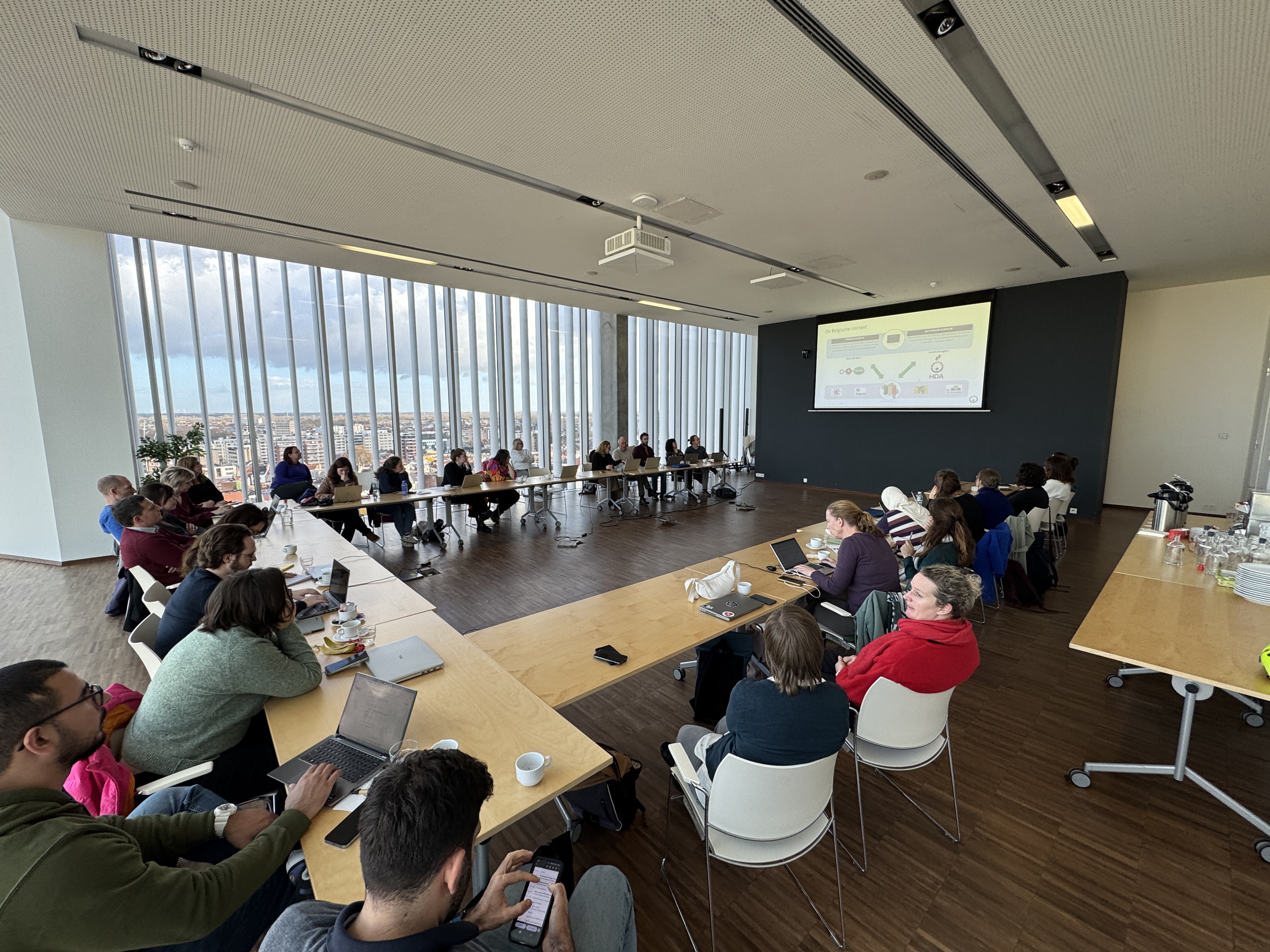
This time, our focus was on the European Health Data Space (EHDS), the first sector-specific Data Space with a dedicated EU regulation under the European data strategy. To set the stage, we began with a broader overview of the Common European Data Spaces (CEDS). Marie Timmermann, advisor at NCP Flanders for the Digital Europe Programme, delivered an excellent presentation to bring everyone up to speed.
Common but Complex: Making Sense of Data Spaces
One important insight Marie shared is that we shouldn’t picture today’s Data Spaces as big, centralized data warehouses or repositories (even if the word ‘spaces’ sounds that way). Rather, think of Data Spaces as governance frameworks and supporting data infrastructures that facilitate the pooling, access, and exchange of data among diverse stakeholders in a secure, interoperable, and scalable manner. Although there is currently no formal/legal definition of Data Spaces according to the Data Spaces Support Centre (dssc.eu), their glossary provides an authoritative definition:
“A Data Space is an interoperable framework, based on common governance principles, standards, practices and enabling services, that enables trusted data transactions between participants.”
In somewhat more plain terms, as described by the Belgian Data Spaces Alliance (click ‘On Data Spaces’):
“A Data Space is an ecosystem of organisations that are able to share data among each other more easily because of pre-made agreements that pertain to the technical, legal and business aspects of data sharing.”
While the goal of Data Spaces is to help participants easily find and exchange data securely and with trust, they won’t store everything in one place. Instead, they operate as federated systems, where data stays with its original owners (or wherever they have deposited it), who keep full control over access, usage conditions, and permissions. Data Spaces provide the common standards, interoperability tools, and trust frameworks that enable participants to discover, request, and share data securely across different organizations—without centralizing the data itself.
The concept of Data Spaces was introduced by the European Commission in February 2020 as a cornerstone of its strategy to create a single EU market for data (A European strategy for data). As Marie pointed out, we are now about halfway along the original roadmap, with 2030 set as the target year for full implementation.
Another key point Marie highlighted is that the European Data Strategy recognizes that different sectors—and their data—don’t all move at the same pace. To address this, EU legislation provides for sector-specific needs and the creation of dedicated Data Spaces for areas like health, finance, energy, and mobility. These are called Common European Data Spaces because parties within the same sector share the same space, and furthermore they all follow shared principles and standards to ensure interoperability across the EU.
CEDS combine both vertical and horizontal dimensions:
- Vertical aspect: Each Data Space focuses on a specific sector, addressing its unique requirements, governance models, semantic and technical standards.
- Horizontal aspect: All Data Spaces are underpinned by EU-wide legislation and shared technical infrastructure. This includes common principles such as data sovereignty, security, and privacy and data protection (GDPR), as well as technical interoperability through cross-sector frameworks and services that enable data exchange across domains.
The schematic below illustrates this dual structure, showing how sector-specific (vertical) spaces are connected through common (horizontal) rules and infrastructure (Source of schematic: presentation by EC at the Belgian Data Spaces Day 27/05/2024. Slides can be found here).

EOSC and the Data Spaces
Marie also focused on the relation between the European Open Science Cloud (EOSC) and the other Data Spaces. In the original roadmap (p. 33), EOSC was already recognized as a Data Space, although it was more described as a prototype of a Data Space for science, research and innovation:
“In addition to the creation of nine Common European Data Spaces, work will continue on the European Open Science Cloud (…) The European Open Science Cloud is therefore the basis for a science, research and innovation Data Space that will bring together data resulting from research and deployment programmes and will be connected and fully articulated with the sectoral Data Spaces.”
In a report by Belnet, the authors observe that EOSC is portrayed differently depending on the viewpoint of the author: sometimes as a vertical Data Space, positioned alongside the sectoral Data Spaces (as shown in the schematic above), and at other times as a horizontal, transversal Data Space that connects research data across these sectoral spaces. For example, the EOSC Steering Board collectively recognises “EOSC as the overarching transverse European Data Space for research. EOSC shall be implemented as orthogonal and supplementary to the thematic European Data Spaces, which in turn should capitalise on expertise and solutions developed in the context of EOSC” (source).
As part of Marie’s presentation, we explored whether EOSC and the other Data Spaces take different approaches—beyond the difference in the type of data they handle (research data for EOSC vs. industrial and organizational data for CEDS) and their different metadata standards. One distinction is that EOSC emphasizes “FAIR” data, referring to the well-known principles of making data Findable, Accessible, Interoperable, and Reusable, while the sectoral Data Spaces emphasize “fair” data sharing—they emphasize “fair, transparent, proportionate, and non-discriminatory access rules” (see, e.g. here).
One of our members cleverly asked Marie whether the difference in capitalization (FAIR & fair) was intentional—and it is. EOSC is closely tied to the FAIR principles and the idea of ‘careful openness’: as open as possible, as closed as necessary. The sectoral Data Spaces also intend to be FAIR, but their messaging focuses more on governance—ensuring data sharing is fair, transparent, proportionate, and non-discriminatory. In short, both EOSC and CEDS aim to be FAIR and fair, but EOSC foregrounds technical openness for research by default, while CEDS revolve around trusted and regulated access by default.
EHDS: Health Comes First
Between 10:30 and 12:30, we shifted our focus from the CEDS to the European Health Data Space (EHDS). We invited Inge Franki and Bart Motmans from the Belgian Health Data Space to inform us about what’s coming and how data stewards can prepare for the EHDS.
The European Health Data Space (EHDS) is often called the first Data Space to be implemented under the EU’s data strategy. This is correct in a regulatory sense: EHDS is the first sector-specific Data Space with a dedicated EU regulation, adopted in March 2025 (Regulation (EU) 2025/327). However, other Data Spaces—such as that for Cultural Heritage—have been operational earlier through projects and infrastructures (e.g., the Europeana.eu platform). These initiatives are part of the Common European Data Spaces ecosystem but do not yet have a binding EU regulation like EHDS.
Inge began by explaining the distinction between primary use of health data, such as when health professionals use a patient’s data to provide care, and secondary use of health data, which refers to its use for research purposes. As a community of data stewards, we are mainly interested in secondary use. Rules on secondary use will start to apply for most data categories (e.g. data from electronic health records) from March 2029 onwards. The rules for the remaining data categories (e.g. genomic data) will start to apply in March 2031.
Inge emphasized the safety measures that will underpin the EHDS. A key requirement is that approved data users must use Secure Processing Environments (SPEs), which prevent data from being exported and ensure that analysis takes place in a controlled setting. We also explored the different roles identified in the EHDS. Regulation (EU) 2025/327 defines at least five key roles: Data holders; Health Data Access Bodies (HDAB); Health data intermediation entities (HDIE); Trusted data holders; and Data Users. Inge’s presentation paid due attention to each role (slides are available to KH members on Basecamp).

Bart’s part of the presentation zoomed in on the Belgian context and the role of the Belgian Health Data Agency (HDA). (Unfortunately, I missed most of Bart’s part due to a delayed lunch delivery, hence why this part of the summary remains very brief).
The EHDS is an ambitious, important project, with many stakeholders, implementation challenges, privacy concerns but also a great potential for healthcare innovation. The relatively quick development of vaccines against COVID-19 illustrates the value of being able to share health data efficiently and on a large scale.
“In 2020, the Commission urgently adapted its Clinical Patient Management System, established by Commission Implementing Decision (EU) 2019/1269 (4), to allow Member States to share electronic health data of COVID-19 patients moving between healthcare providers and Member States during the peak of that pandemic. However, that adaptation was only an emergency solution, showing the need for a structural and consistent approach at Member State and Union level, both in order to improve the availability of electronic health data for healthcare and to facilitate access to electronic health data in order to steer effective policy responses and contribute to high standards of human health.”
Source: Regulation (EU) 2025/327
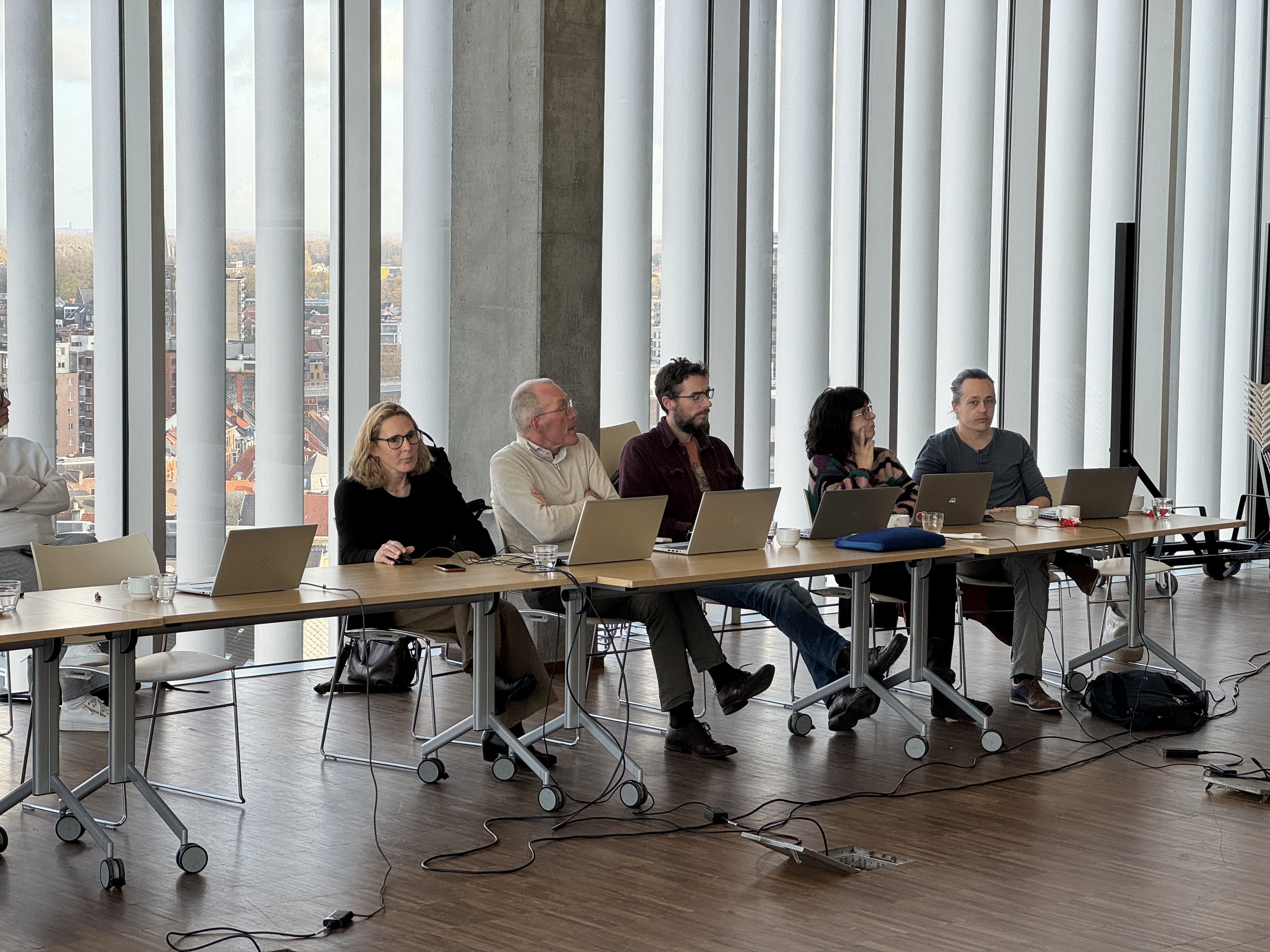
While the presentation by Inge and Bart went into considerable detail, several of our members raised critical questions. Some focused on the scope and definition of ‘health’ data, others on how HDABs will coordinate everything in practice, and some data stewards reminded our speakers of the fundamental importance of putting privacy first. In my impression, many of the data stewards present expressed a generally sceptical attitude toward how all aspects of the EHDS will be implemented—and rightly so, as Inge and Bart largely concurred during a debriefing. However, the implementation of the EHDS has only recently begun, and several crucial topics—such as the detailed procedure for individuals to opt out of secondary use—are still under discussion among EU Member States. KH members are welcome to raise follow-up questions with the Belgian HDA (contact Inge Franki).
FRDN game
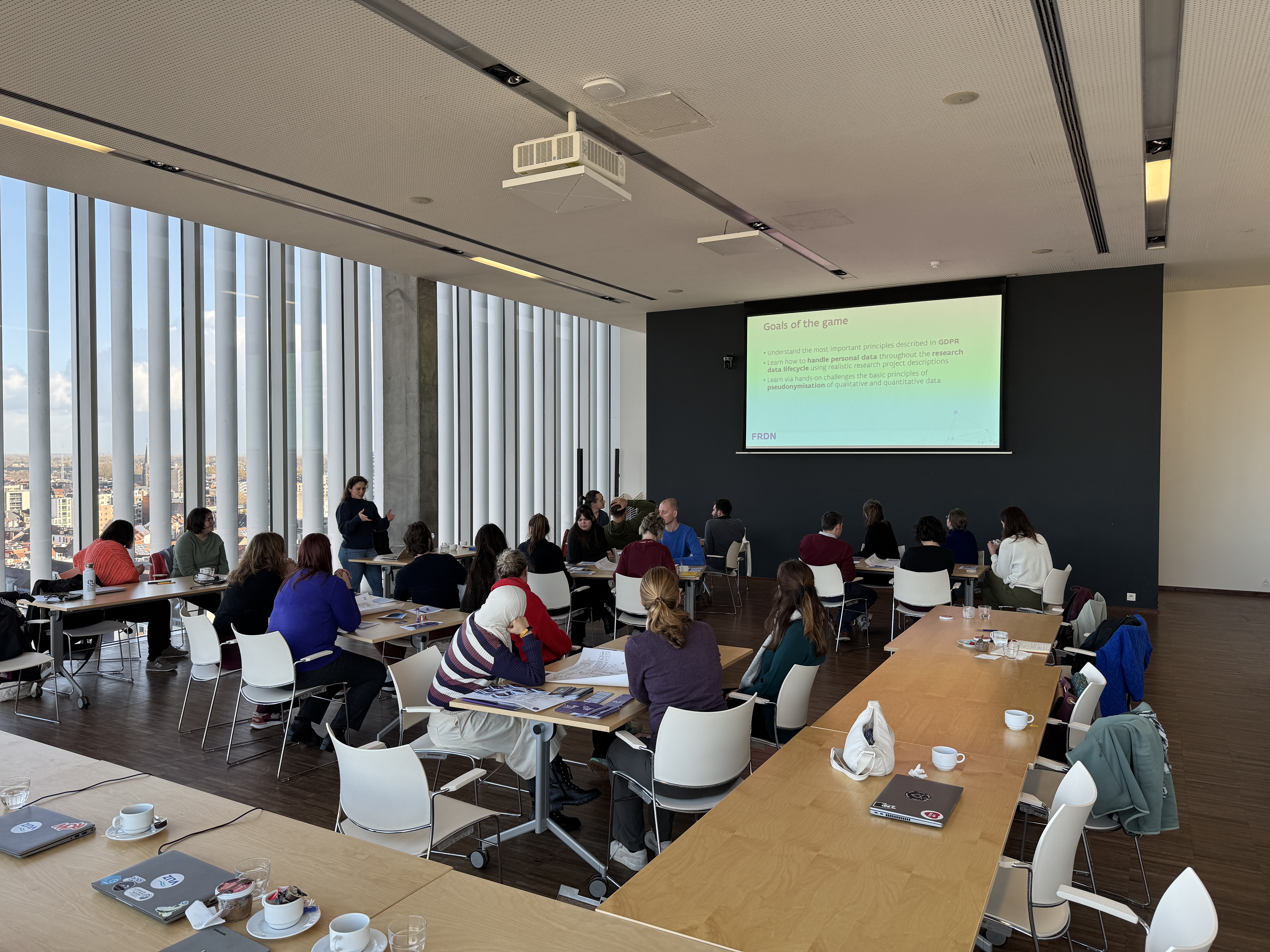
After a tasty lunch, we wrapped up the academic part of the day and shifted the focus to the community itself, starting with an update on our latest KH Project Group ‘FRDN game’. This project group was launched shortly after the Community Day in Leuven in September 2024. Inspired by the fun and learning value of existing educational games in the field of research data management, a small team of four set themselves the challenge of creating our own game—focused specifically on the topic of GDPR and handling personal data.
We played the game at five tables, each with four to five players, which allowed us to collect feedback from around twenty participants. Overall, the game was well received, and we identified several elements to improve. We’ll keep you posted on version 2, which we expect to share in spring 2026.

Social activity
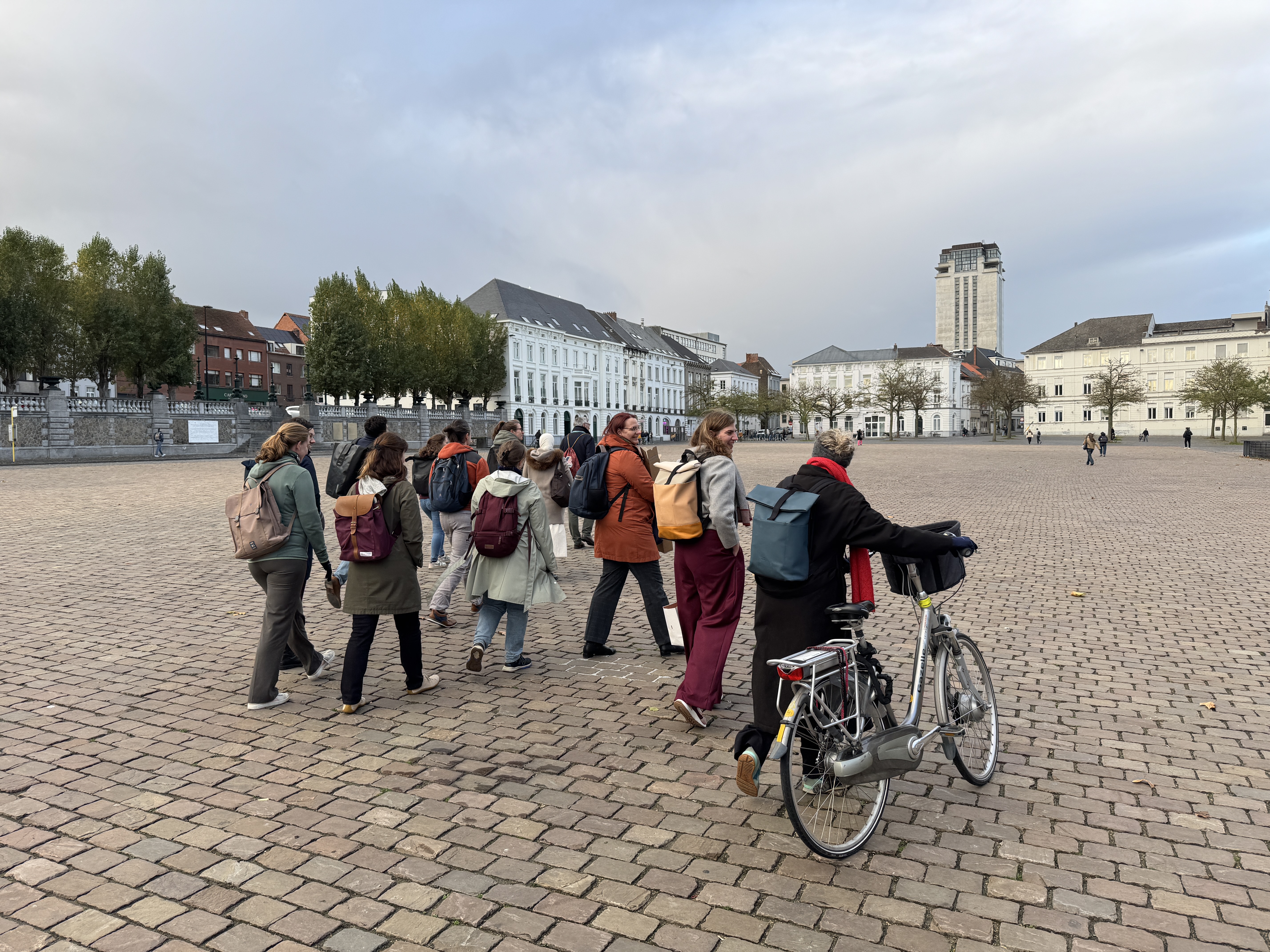
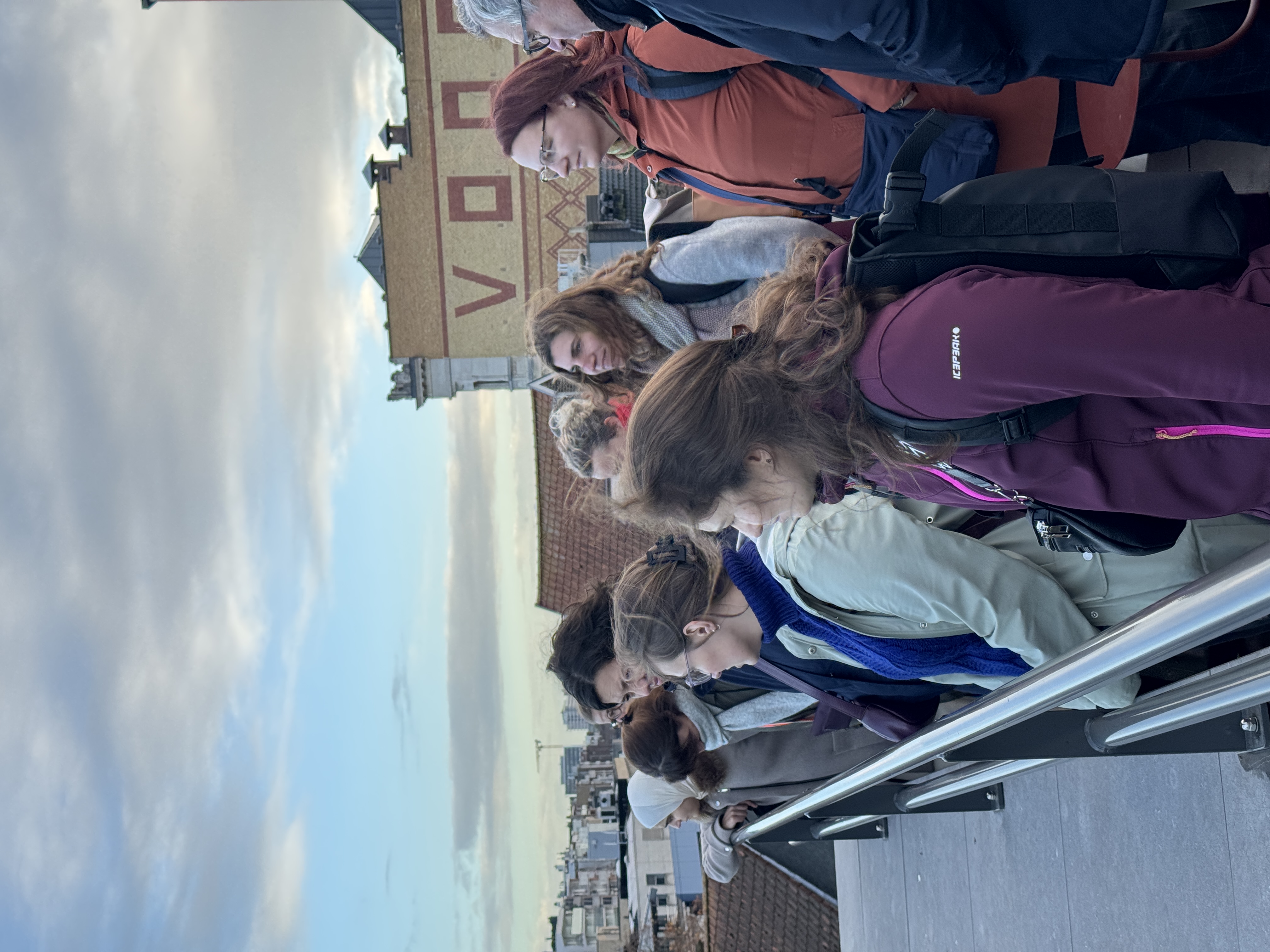
Around 15:15, thirteen of us joined a short guided walk to the Wintercircus Innovation Hub building, where we concluded the day over a cup of hot tea. The morning session welcomed 34 participants, making it a lively and well-attended gathering. We were delighted with the excellent conference room with a view over Saint Peter's Abbey—many thanks to Jan-Frederik Van Wijmeersch (Arteveldehogeschool) for being an excellent host! Thank you as well to Evelien de Ferrerre for helping with the social activity. Thank you to our three invited speakers, Marie Timmermann, Inge Franki and Bart Motmans. Thank you to everyone who joined us—your engagement makes these Community Days valuable. We look forward to seeing you at the next one!
About the Community Days
The KH Community Days are small conferences we organize 3 times every academic year. They are great opportunities to get in touch with fellow data stewards (or professionals in the field of Open Science & RDM more generally). Everyone who is a member of our Basecamp platform is very much welcome.